Professional Metairie Electrician Providing Emergency Electrical Repairs to Homeowners in the Bonnable Blvd. Neighborhood
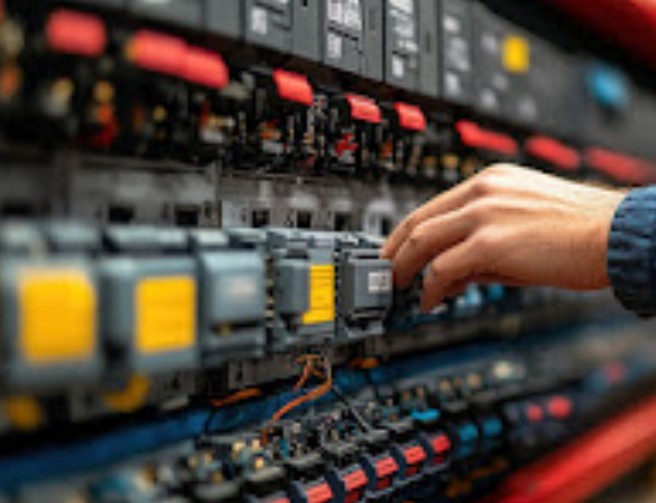
Professional Emergency Electrical Repairs for Homeowners:
A Complete Guide to Circuit Breaker Repairs and Wiring Issues by MK Electric Man A Locally Owned and Operated Residential and Commercial Electrical Service Repair Company
Electrical problems in a home can be both stressful and dangerous, especially when they happen without warning. A sudden power outage, repeated circuit breaker trips, or malfunctioning appliances can disrupt daily life and put your household at risk. Emergency electrical repairs are not just about restoring power they are about ensuring safety, preventing fire hazards, and protecting expensive appliances from damage.
In residential Metairie, LA. neighborhoods, homeowners often face issues related to aging electrical systems, overloaded circuits, faulty wiring, or worn-out components. One of the most common problems involves a circuit breaker repeatedly tripping due to an underlying fault. While some may see this as an inconvenience, it is actually a critical safety mechanism doing its job.
This article explores a real-world scenario involving an emergency electrical repair related to a water heater circuit. We will explain how electrical troubleshooting works, why circuit breakers trip, and why damaged wiring must be replaced immediately. Special focus will be placed on circuit breaker replacement and damaged wiring replacement, helping homeowners understand what these services involve, why they matter, and how they improve overall home safety.
Understanding Emergency Electrical Repairs
Emergency electrical repairs are required when a sudden fault disrupts power, creates a safety hazard, or threatens critical household systems. These issues typically cannot wait for a routine appointment because they may pose risks such as:
*Electrical fire
*Electric shocks
*Damage to major appliances
*Loss of heating or hot water
*Power outages affecting
essential systems
When a homeowner notices sparks, burning smells, buzzing sounds, or breakers tripping repeatedly, immediate professional attention is necessary.
The Role of Circuit Breakers in Home Electrical Systems
A circuit breaker is a protective device installed inside your electrical panel. Its primary job is to interrupt the flow of electricity when it detects an unsafe condition. This prevents overheating, electrical fires, and damage to connected devices.
Why Circuit Breakers Trip
Circuit breakers trip for several reasons, including:
-Overloaded Circuits – Too many devices drawing power from the same circuit
-Short Circuits – Hot wires touching neutral or ground wires
-Ground Faults – Electricity escaping its intended path
-Faulty Appliances – Internal damage causing excessive current draw
-Damaged Wiring – Exposed or deteriorated wires creating unsafe conditions
When a breaker trips, it is a warning sign. Resetting it repeatedly without fixing the underlying issue can lead to severe consequences.
A Common Emergency Scenario:
Water Heater Power Failure
In many homes, water heaters operate on dedicated high-voltage circuits. If this circuit experiences a fault, the breaker will trip to prevent damage or fire hazards.
In this scenario, the homeowner experienced a sudden loss of hot water because the breaker supplying power to the water heater kept tripping. This was not a random issue, it was a sign of a deeper electrical problem that needed immediate attention.
The Importance of Electrical Inspections
An electrical inspection is the first step in any professional repair. This involves a systematic evaluation of:
The breaker panel
Circuit wiring
Connected appliances
Voltage and current flow
Signs of heat damage or corrosion
Without a proper inspection, diagnosing electrical problems becomes guesswork, which can lead to incomplete or unsafe repairs.
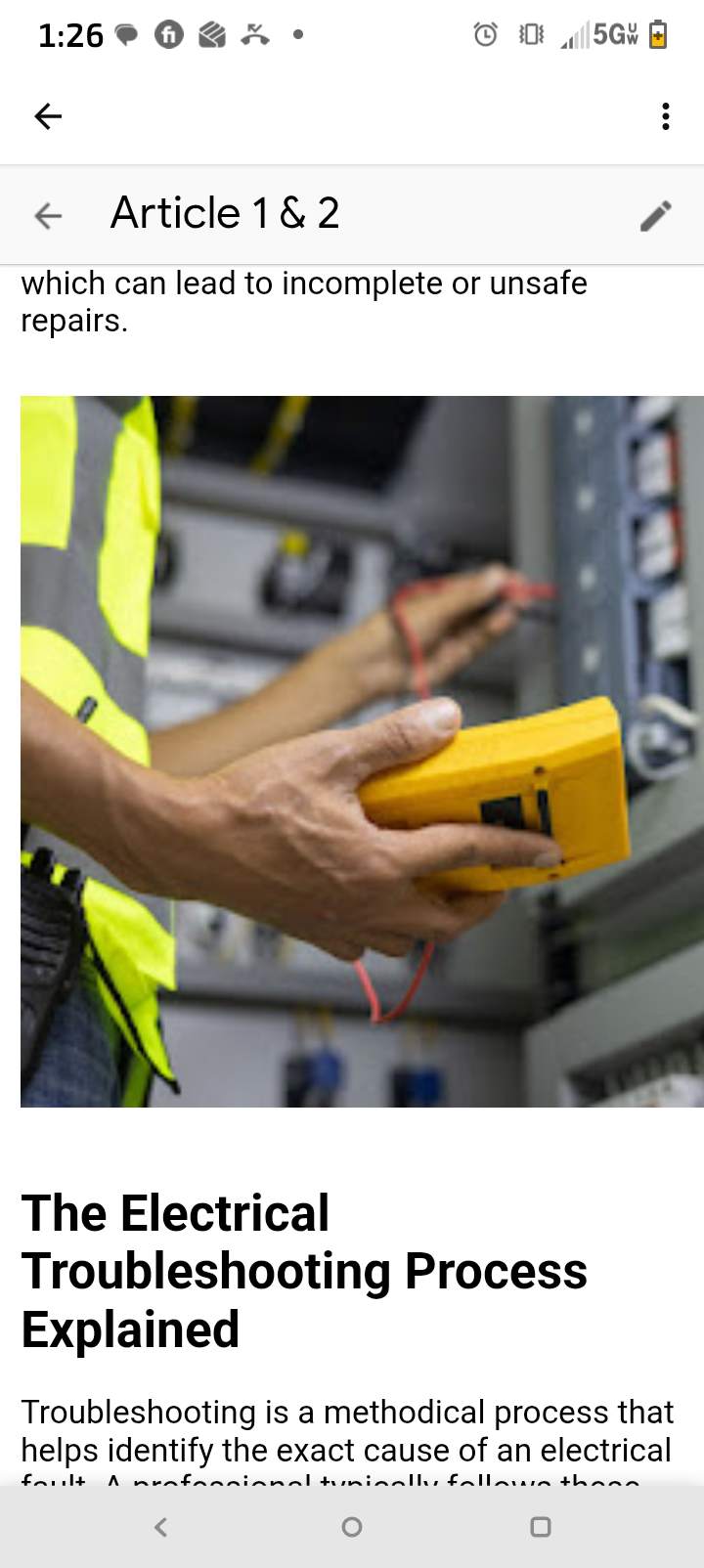
The Electrical Troubleshooting Process Explained by MK Electric Man A Expert Metairie Electrician
Troubleshooting is a methodical process that helps identify the exact cause of an electrical fault. A professional typically follows these steps:
Step 1: Initial Assessment
The technician listens to the homeowner’s description of the problem and checks the breaker panel for obvious signs of failure.
Step 2: Testing the Circuit
Special tools are used to measure voltage, continuity, and resistance.
Step 3: Inspecting the Wiring
Walls, conduits, and connection points are checked for physical damage.
Step 4: Identifying the Root Cause
Once the fault is located, the technician determines the safest and most permanent solution.
In this case, the troubleshooting revealed a short circuit in the Romex wiring feeding the water heater.
What Is Romex Wiring?
Romex is a brand name commonly used to describe non-metallic (NM) sheathed electrical cable. It is widely used in residential construction and contains:
A hot wire
A neutral wire
A ground wire
These wires are encased in a protective outer sheath. When Romex becomes damaged, the insulation can break down, exposing live conductors.
How Damaged Wiring Causes Breaker Trips
When wiring insulation is compromised, wires may touch each other or grounded surfaces.
This leads to:
Short circuits
Excessive current flow
Heat buildup
Risk of fire
The circuit breaker senses this abnormal current and immediately shuts off power.
Circuit Breaker Replacement: A Critical Safety Upgrade
Replacing a circuit breaker is not simply swapping out a component, it is a safety upgrade that ensures your home’s electrical system operates reliably.
When Is Circuit Breaker Replacement Necessary?
Circuit breakers are designed to last many years, but they can fail due to:
Age and wear
Exposure to heat
Moisture intrusion
Corrosion
Manufacturing defects
A breaker that trips too easily or fails to trip when it should is dangerous.
Signs a Circuit Breaker Needs Replacement
Homeowners should watch for these warning signs:
Breaker trips frequently
without obvious overload
Breaker will not reset
Burning smell near the panel
Visible scorch marks
Buzzing or crackling sounds
Ignoring these signs can lead to overheating, fires, or appliance damage.
The Process of Replacing a Circuit Breaker
Step 1: Power Shutdown
The main power supply is turned off to ensure safety.
Step 2: Panel Inspection
The panel is inspected for signs of damage or corrosion.
Step 3: Breaker Removal
The faulty breaker is carefully removed.
Step 4: Installing the New Breaker
A properly rated breaker (in this case, 30 amps) is installed.
Step 5: Testing
The circuit is tested under load to ensure stability.
Why Proper Amperage Matters
Every circuit must have a breaker rated for the correct amperage. A breaker that is too weak will trip unnecessarily, while one that is too strong can allow dangerous overheating.
For water heaters, a 30-amp breaker is commonly used because these appliances draw a high amount of power.
Damaged Wiring Replacement:
Why It Cannot Be Ignored
Replacing damaged wiring is not optional it is a necessity for home safety.
Causes of Wiring Damage
Wiring can become damaged due to:
Rodents chewing through
insulation
Moisture exposure
Nail punctures
Aging insulation
Overheating
Poor installation
Any of these issues can expose live conductors.
Risks of Leaving Damaged Wiring Untreated
Unrepaired wiring can lead to:
Electrical fires
Electrocution
Appliance failure
Power instability
Insurance claim denial
Many house fires begin behind walls where damaged wiring goes unnoticed.
The Wiring Replacement Process
Step 1: Locating the Damaged Section
The faulty wiring is identified through inspection and testing.
Step 2: Removing Old Wiring
The damaged section is safely removed.
Step 3: Installing New Romex Cable
A new 10-2 Romex cable is installed to match the circuit requirements.
Step 4: Securing Connections
Connections are tightly fastened and insulated.
Step 5: Load Testing
The circuit is tested under normal operating conditions.
Why 10-2 Romex Was Used
10-2 Romex is commonly used for high-load appliances like water heaters. It contains:
Two insulated conductors
One ground wire
Heavy-gauge copper for high current
This ensures stable power delivery and prevents overheating.
Safety Benefits of Proper Wiring Replacement
Replacing damaged wiring improves:
Fire prevention
Power reliability
Appliance lifespan
Energy efficiency
Home value
It also ensures compliance with modern electrical codes.
Preventing Future Electrical Emergencies
While some emergencies are unavoidable, many can be prevented through proactive care.
Regular Electrical Inspections
Scheduling inspections every few years helps identify:
Loose connections
Aging components
Panel issues
Overloaded circuits
Avoiding Circuit Overloads
Distribute high-power appliances across different circuits to prevent overloads.
Replacing Outdated Wiring
Older homes often contain outdated wiring that cannot handle modern power demands.
Installing Surge Protection
Whole-house surge protectors protect against voltage spikes.
Conclusion
Emergency electrical repairs are not just about restoring convenience they are about protecting lives and property. When a circuit breaker repeatedly trips, it is a clear sign of an underlying issue that must be addressed.
In this case, a detailed inspection and troubleshooting process revealed damaged wiring feeding a water heater. By replacing the faulty Romex cable and installing a properly rated 30-amp circuit breaker, the problem was resolved safely and permanently.
Understanding the importance of circuit breaker replacement and damaged wiring replacement empowers homeowners to make informed decisions. These services eliminate fire risks, stabilize power delivery, and ensure long-term safety.
Location: Metairie, LA
Project Image Gallery
CONTACT YOUR NEW ORLEANS ELECTRICIAN TODAY